Technology Beyond Human Reach
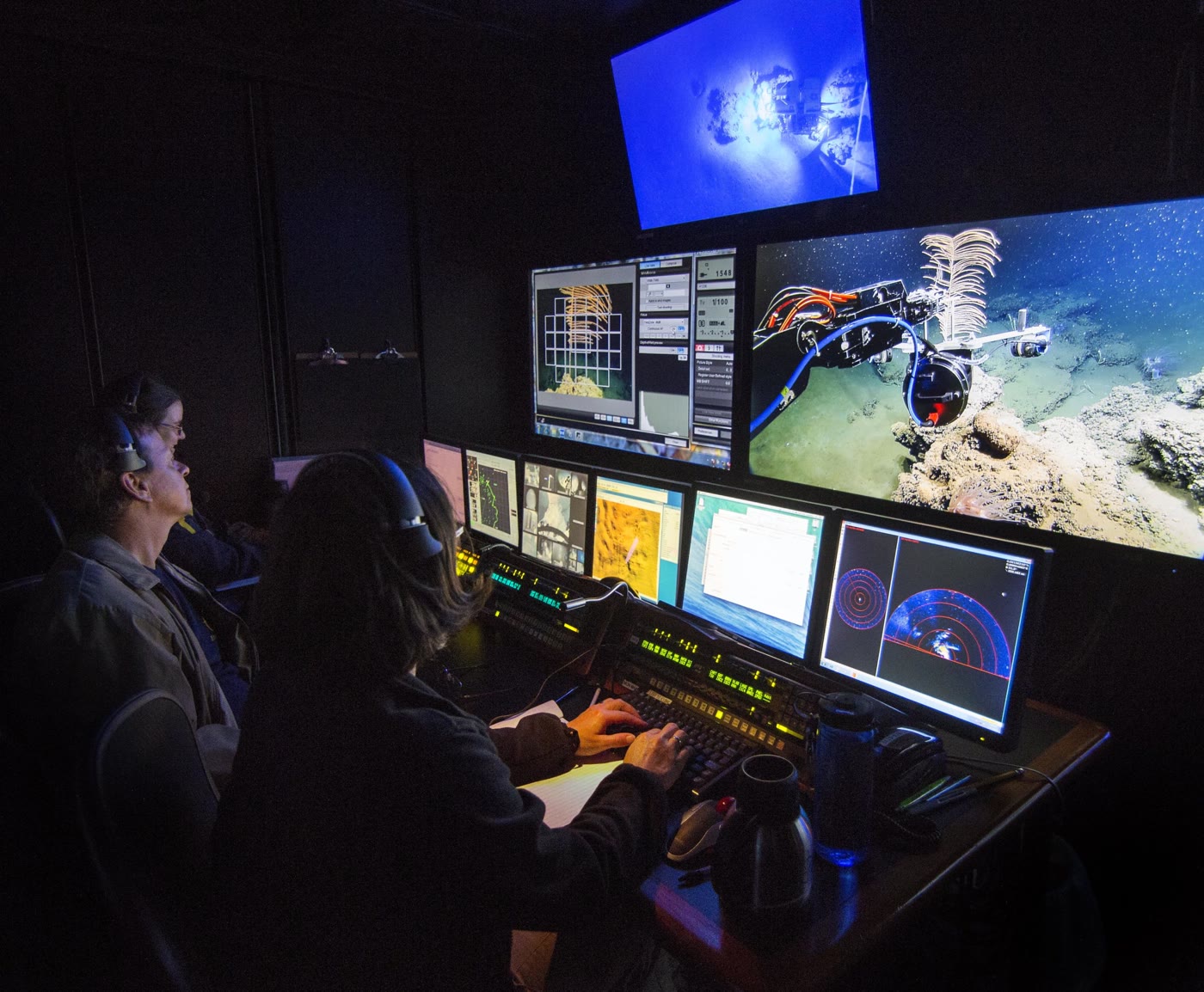
Some of the most critical infrastructure supporting offshore production exists hundreds or thousands of metres beneath the ocean surface. Connected to the surface through an umbilical and controlled by highly trained personnel, modern work-class ROV systems combine powerful thrusters, cameras, sonar, sensors, manipulators and interchangeable tooling to perform complex operations under extreme subsea conditions.
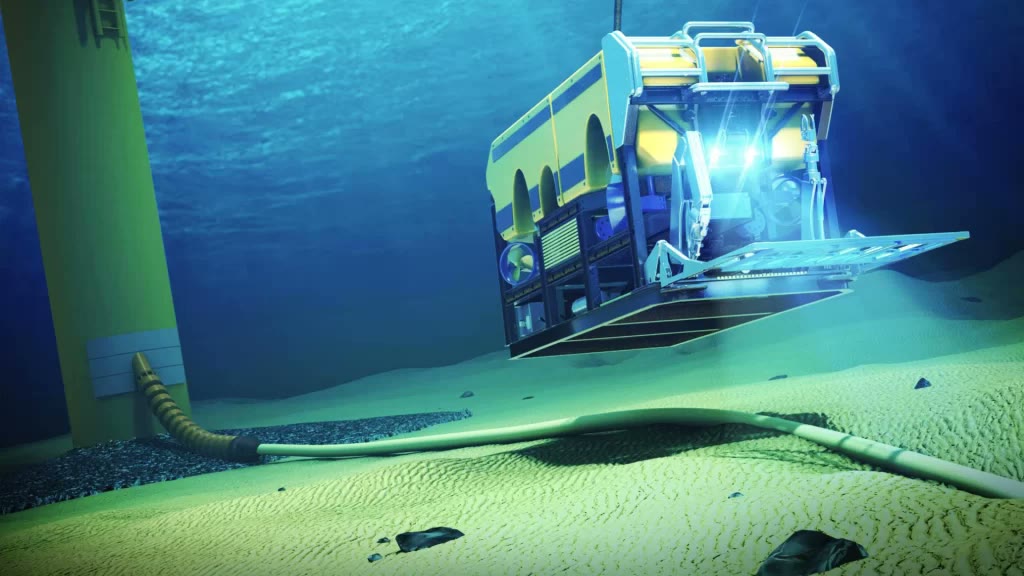
We see the ROV not simply as an underwater vehicle, but as a mobile subsea engineering platform.
What an ROV Can Do
See
Provide high-definition imagery, sonar information and real-time visual awareness of subsea assets and operations.
Measure
Carry sensors and measurement systems used to acquire dimensional, condition and environmental information.
Inspect
Examine flowlines, risers, manifolds, structures, subsea trees, moorings and other offshore infrastructure.
Manipulate
Use robotic arms and task-specific interfaces to operate handles, valves, connectors and subsea mechanisms.
Intervene
Deploy specialist tools to support maintenance, cleaning, cutting, installation, recovery and other project-specific operations.
Support Construction
Assist installation, positioning, connection, touchdown monitoring, survey and subsea verification.
The ROV System, End to End
An ROV operates as one link in a complete offshore system, from the vessel and control cabin through to the tooling and sensors deployed at the seabed.
Work-Class vs. Inspection-Class
Inspection-Class
Typically compact systems optimised for observation, survey and lighter tasks, efficient to mobilise where visual inspection and monitoring are the primary requirement.
Work-Class
Larger, more powerful platforms designed to carry manipulators, hydraulic power and specialist tooling for demanding construction and intervention scopes.
ROV Personnel
ROV capability is ultimately a combination of technology and people. Pilot technicians, supervisors, engineers, mechanics, electrical/electronics specialists and project personnel work together to maintain the system, interpret conditions and execute tasks safely.
This is why workforce development is central to the SHS strategy: owning an ROV without developing competent people does not create sustainable capability.
See Our Capacity-Development Model